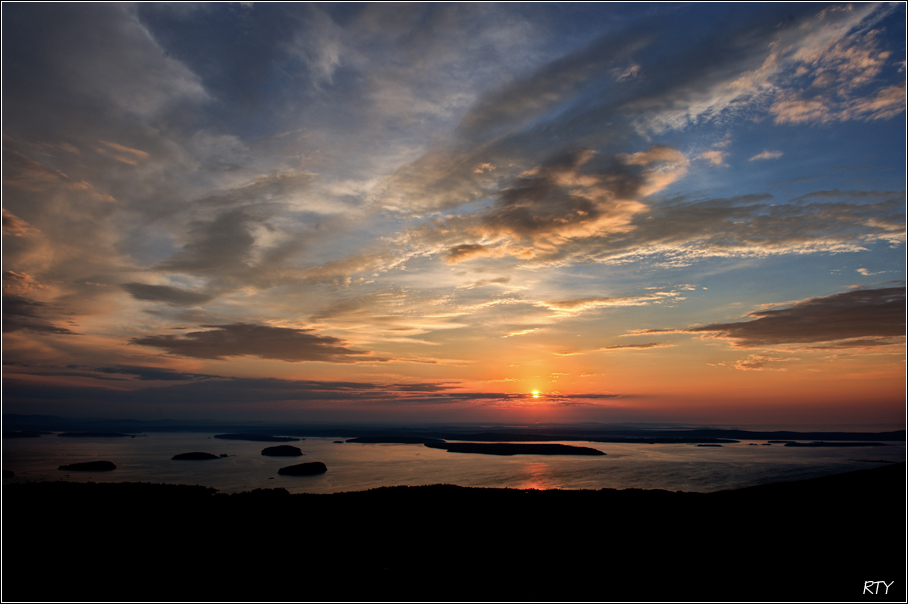
I’m definitely not an early riser, but I actually got up at 4 AM to shoot the sunrise. There were about 200 people up on Cadillac at 5 AM.

Sharon, probably bored to death, as I shot about 300 images.


I’m definitely not an early riser, but I actually got up at 4 AM to shoot the sunrise. There were about 200 people up on Cadillac at 5 AM.
Sharon, probably bored to death, as I shot about 300 images.
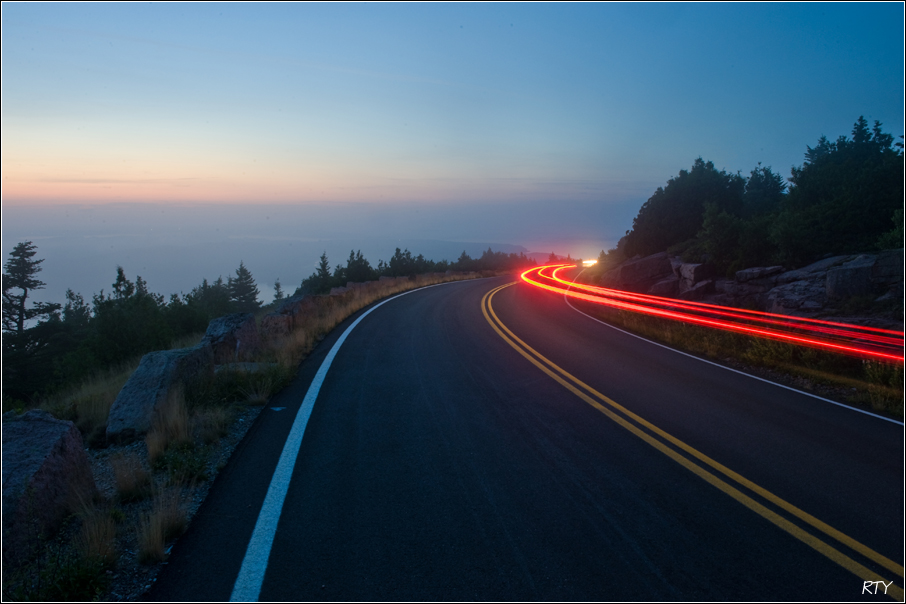
A few from Cadillac Mountain in Acadia Park. This is the first place in the United States to see the sunrise. I’ll return here many times, especially for sunrise and sunset. President Obama and his family were hiking Cadillac Mountain on Friday. They are spending the weekend at Acadia.


One of last year’s highlights was a tour of Acadia National Park in a 1926 Waco biplane. It was quite exhilarating with the open cockpit. The wings created a tough situation for taking photographs and I had to turn to the rear after loosening the seatbelt. The biplane cruised at 85 mph at about 900 feet.
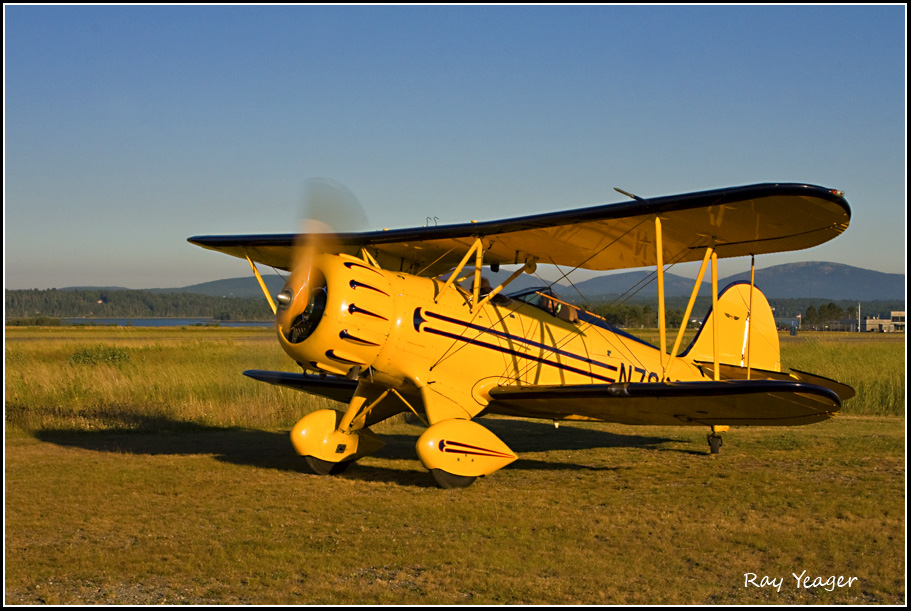
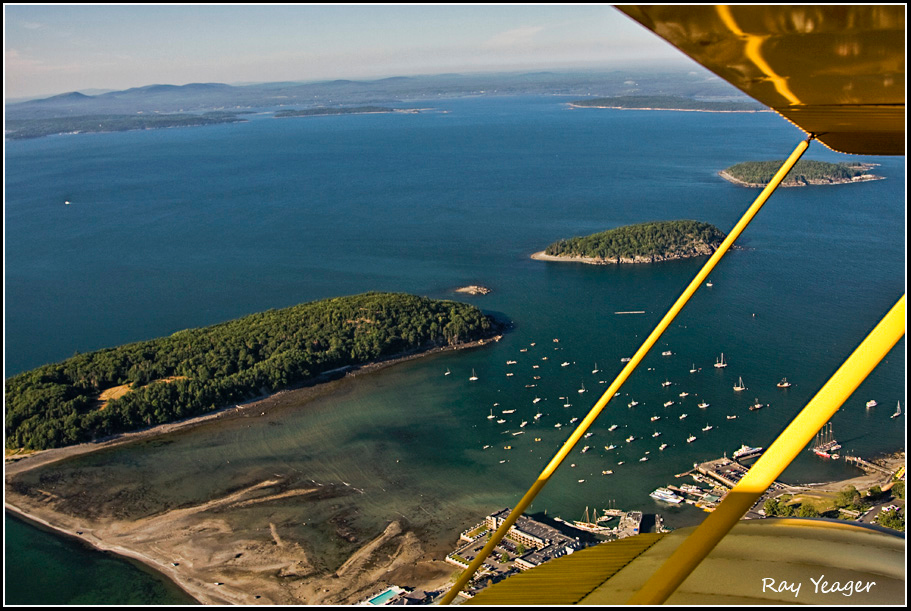
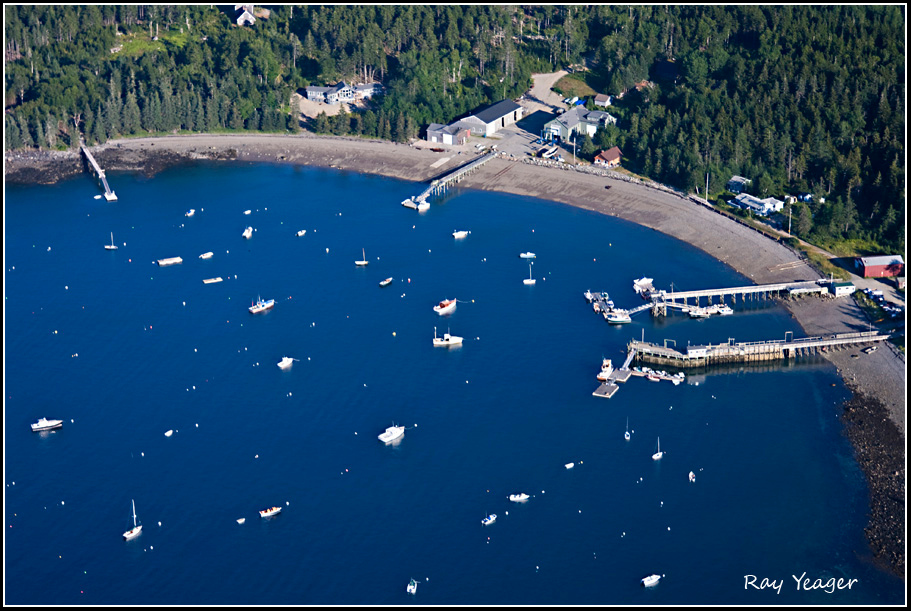


You can see the fear on Sharon’s face just before takeoff.
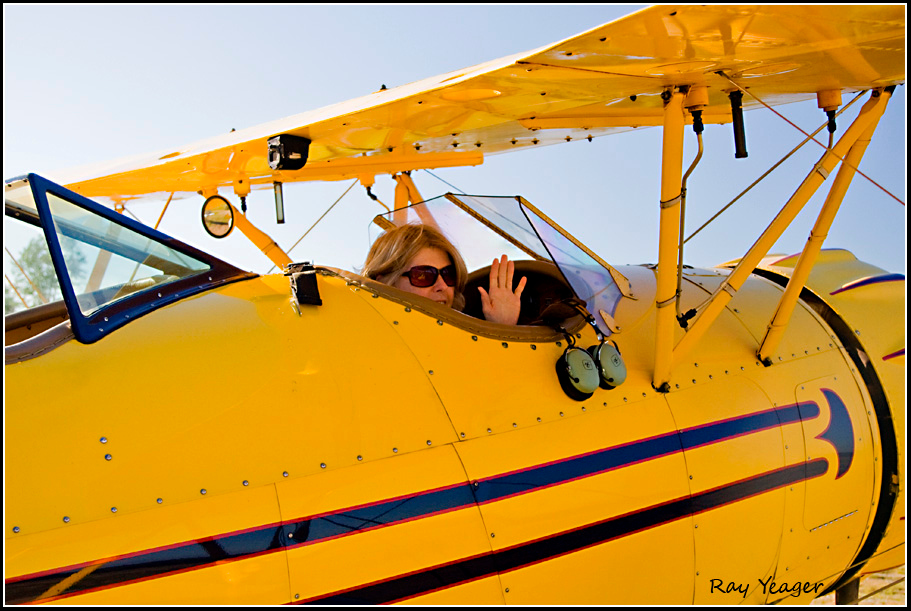
The Criterion Theatre was built in 1932. It is located right in the middle of Bar Harbor. The original decor has been maintained over the years. Last night we went to the movies at this great landmark. It’s always a fun time … they serve wine in the balcony.

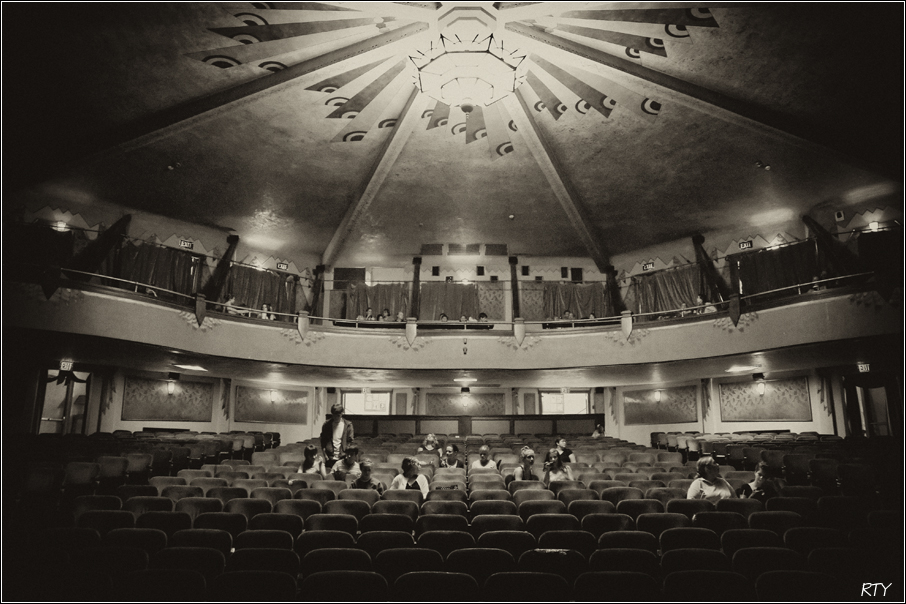


The Margaret Todd is a four mast schooner that is anchored on the Frenchman Bay in Bar Harbor, Maine. At sunrise the fog rolled in covering the water like a huge blanket. Minutes later the schooner disappeared in the mist. After shooting the Margaret Todd, I headed over to Jordan Pond in Acadia Park.


One from last year with her signature red sails up. That’s lobster buoys in the water.

Jordan Pond is beautiful in the morning fog.


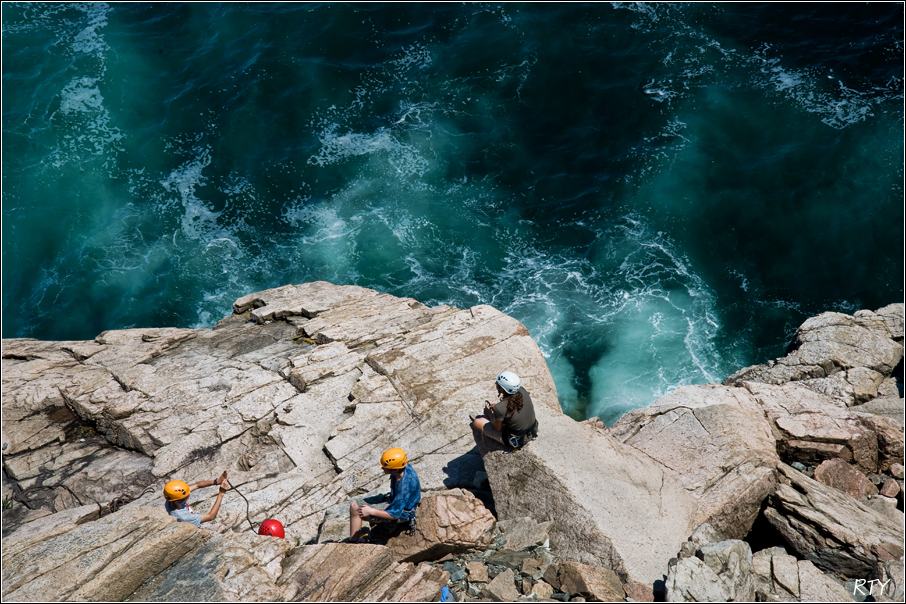
Rock climbing is popular along the Otter Point cliffs.
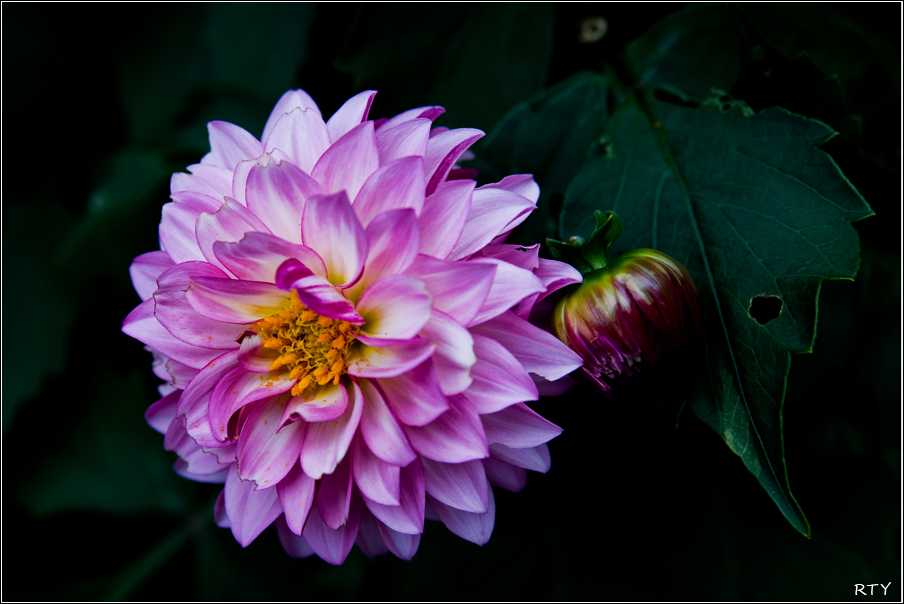
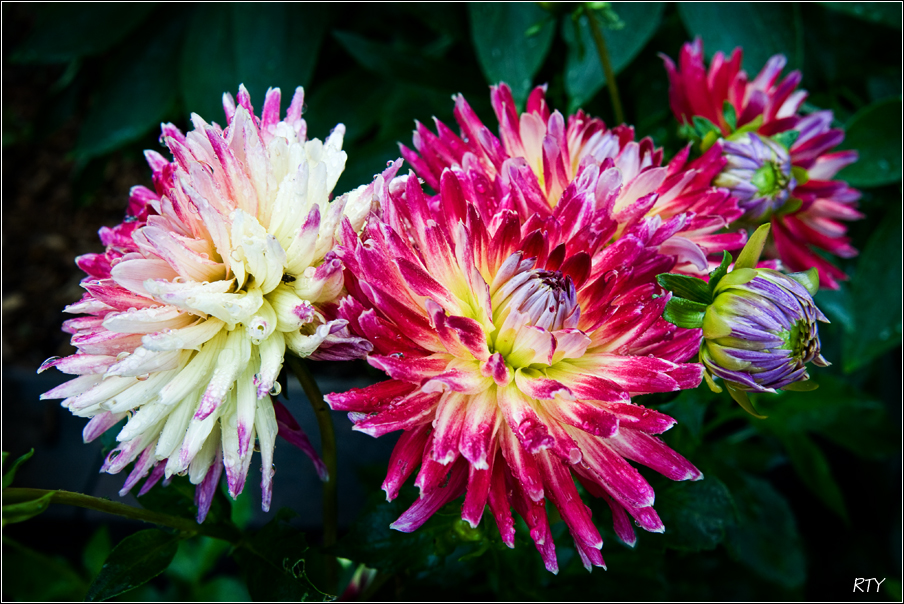
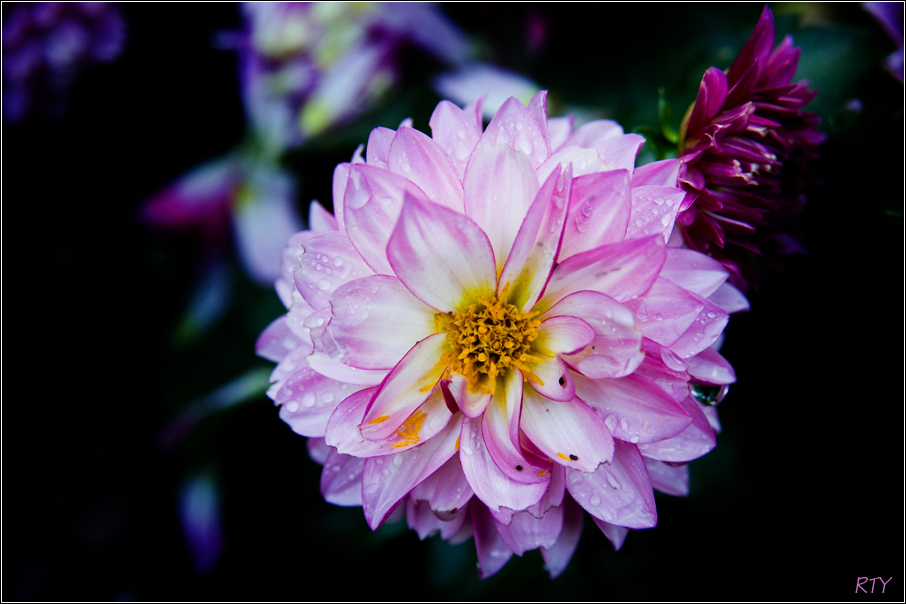
After the 12 hour drive, Sharon, I, and the cats arrived in Seal Harbor, Maine on Saturday. Seal Harbor is located about five miles outside of Bar Harbor and minutes from Acadia National Park. We will be roaming Acadia for the next four weeks. There were heavy rains the first day, but I managed to photograph some of the flowers in the incredible Kleinman Garden at the house we rent.




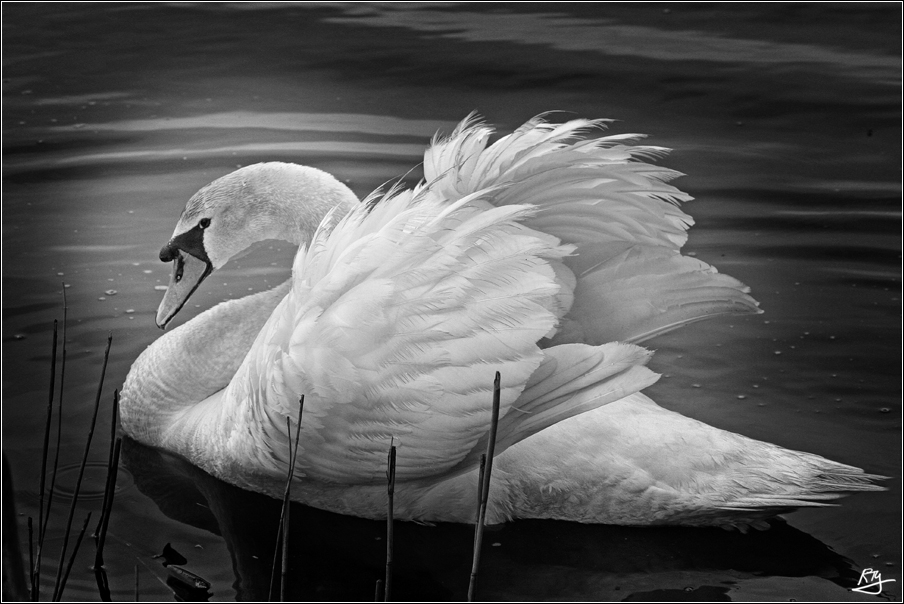
I’d like to introduce you to the “Prince of Darkness”. He and the “Princess” are mute swans and return each spring to nest on the estuary behind our townhouse. The Prince turns to the dark side as soon as the female begins to sit on her eggs. The male becomes very aggressive and clears out all the geese and other waterfowl. He also tries to clear me out, sometimes chasing me up on land into my garage. My kayaking stops the minute the Prince starts patrolling.
Princess usually has 6-8 cygnets each year. Usually, only a few survive due to the many snapping turtles in the estuary. This year the Princess had eight little ones and three are remaining at the moment.
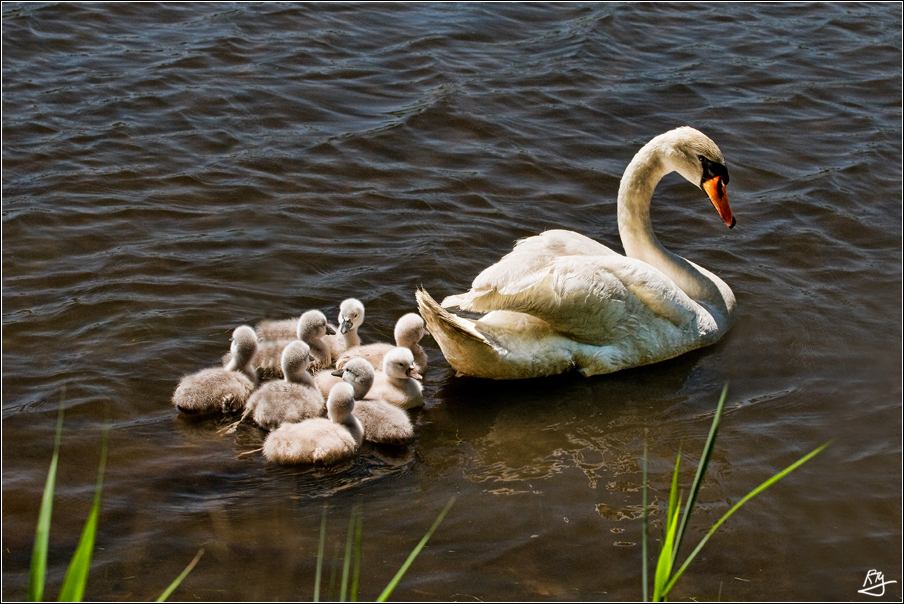
Although they are quite beautiful, mute swans are not native to this country and have had a negative effect on the environment. They chase all the indigenous waterfowl, depriving them of food and nesting areas. The raised wings are signs of aggression.
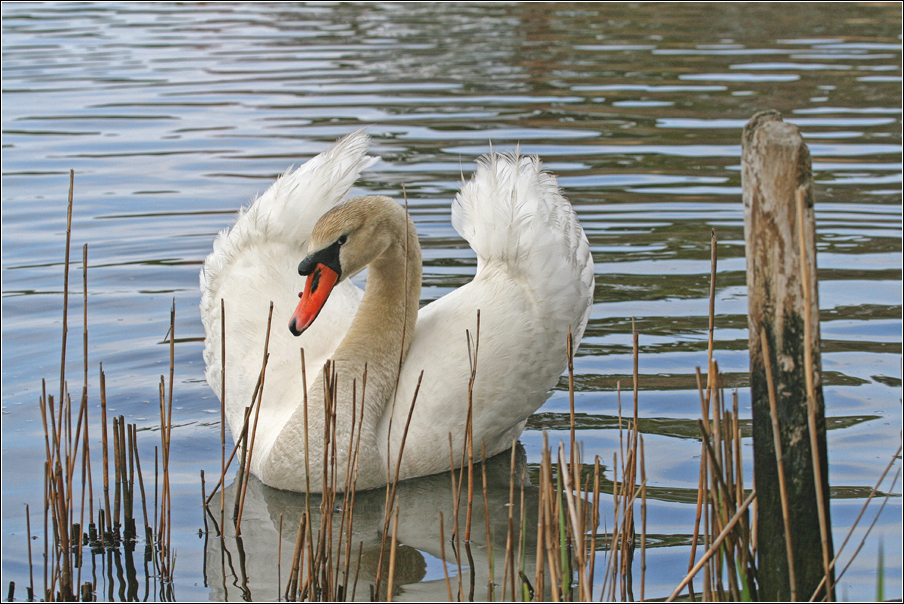
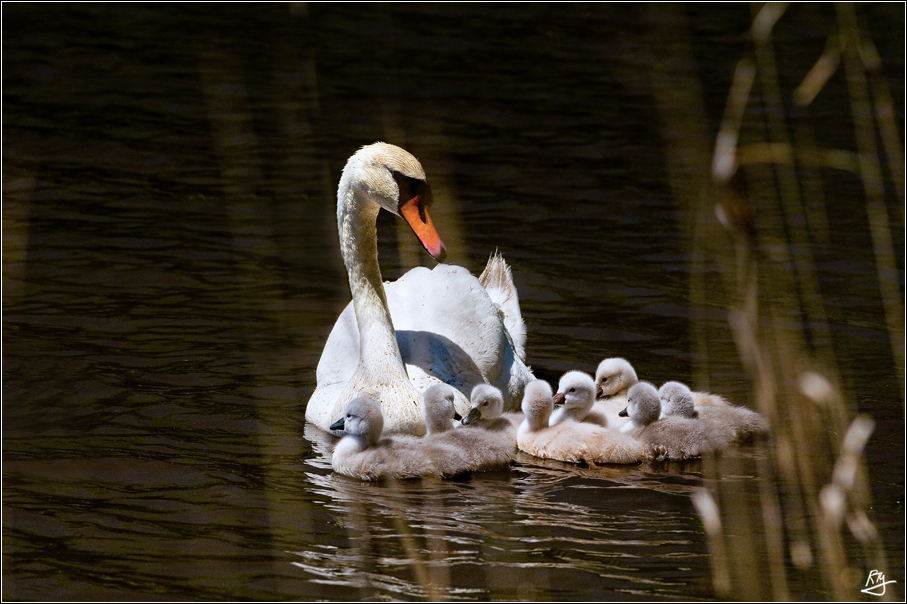
The knob on the beak is characteristic of the mute swan.

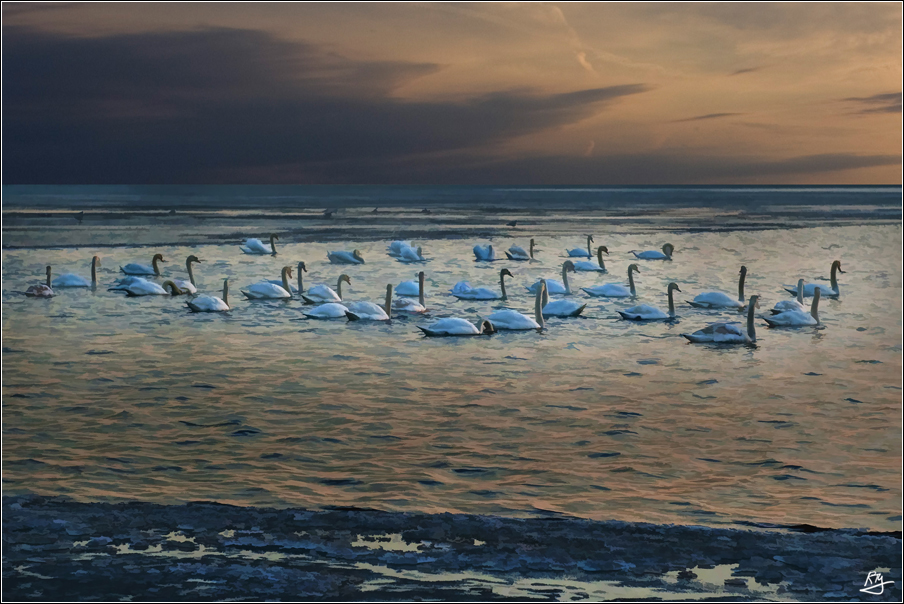
Each winter hundreds of mute swans gather on the Barnegat Bay off Seaside.
Sharon and I were invited to sail on her cousin’s boat, the “Bugaboo”. Every 4th of July weekend, Karen and Eddie sail down the Hudson River from Havastraw, NY to the Keyport Yacht Club. It was a gorgeous day.

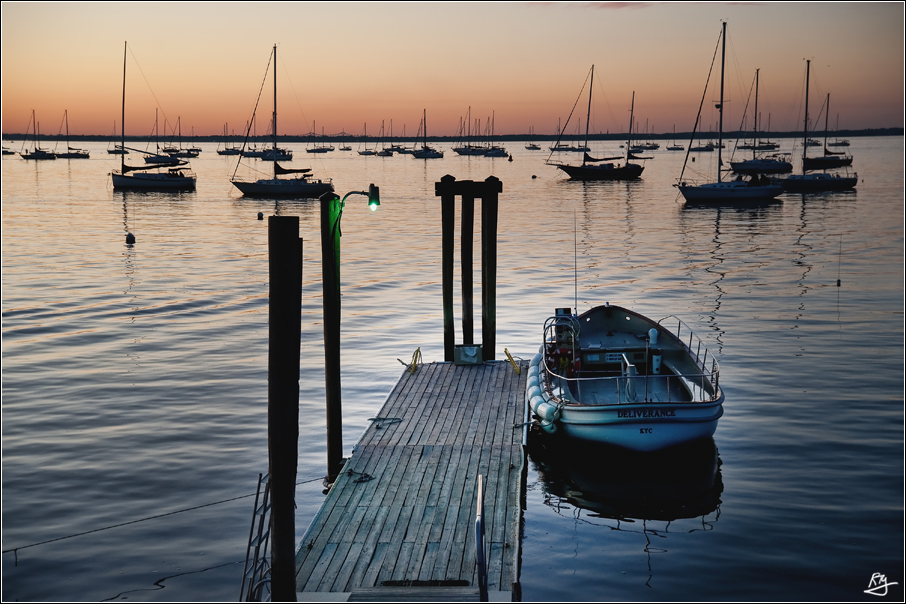

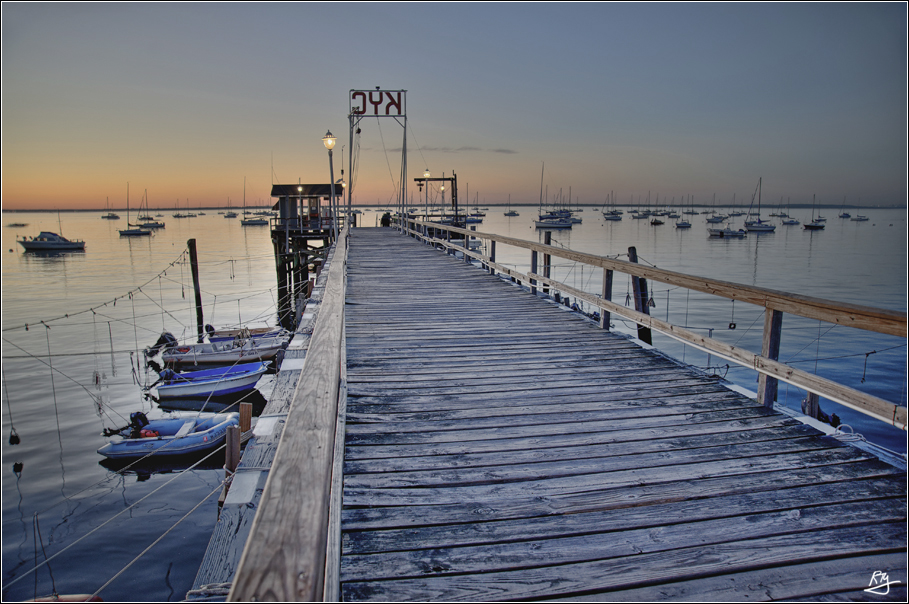
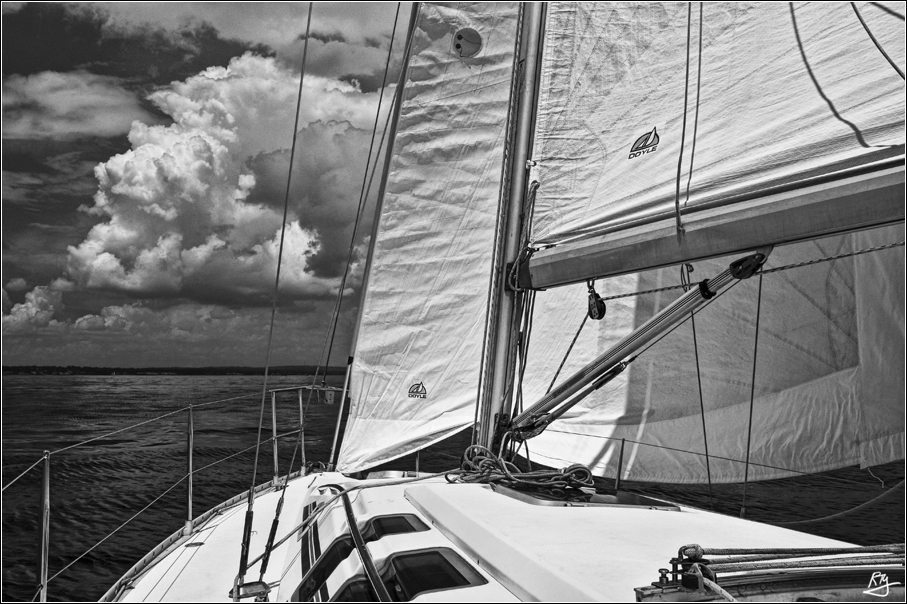
The "Bugaboo"
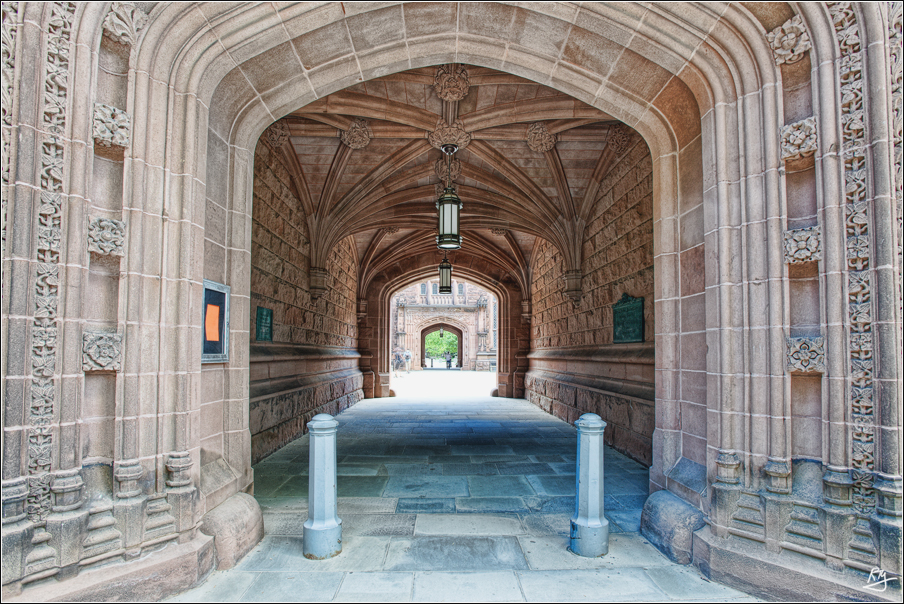
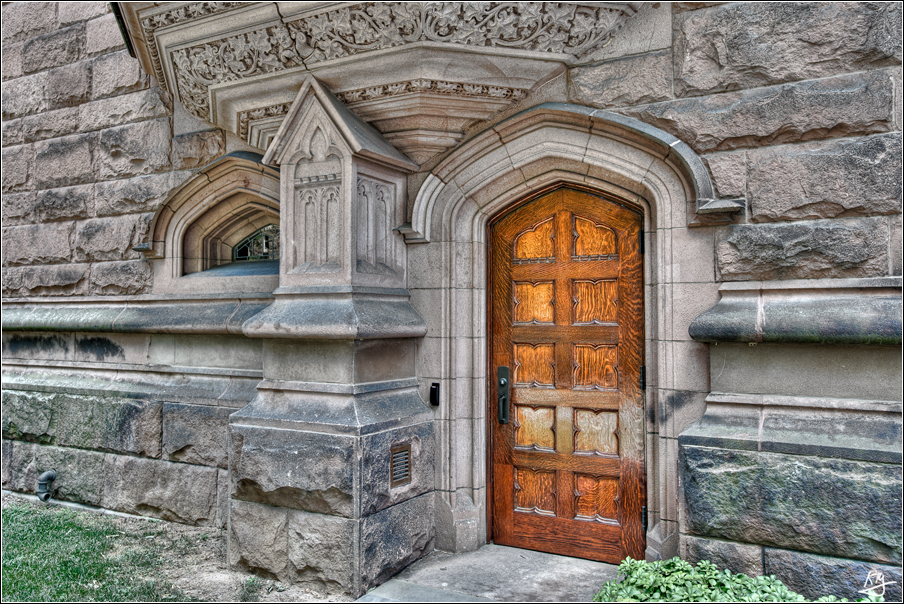
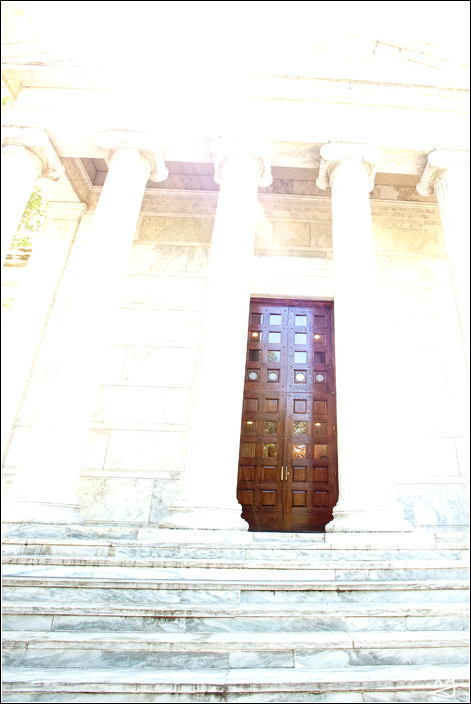
Princeton University is the place to shoot architecture. My photography buddy, Scott, and I roamed around the grounds for a couple of hours. The time of day was not ideal, but we worked with the available light.
 RTY Photography Blog